











Arabic version: حرب السودان تترك أطفالاً بلا هوية قانونية
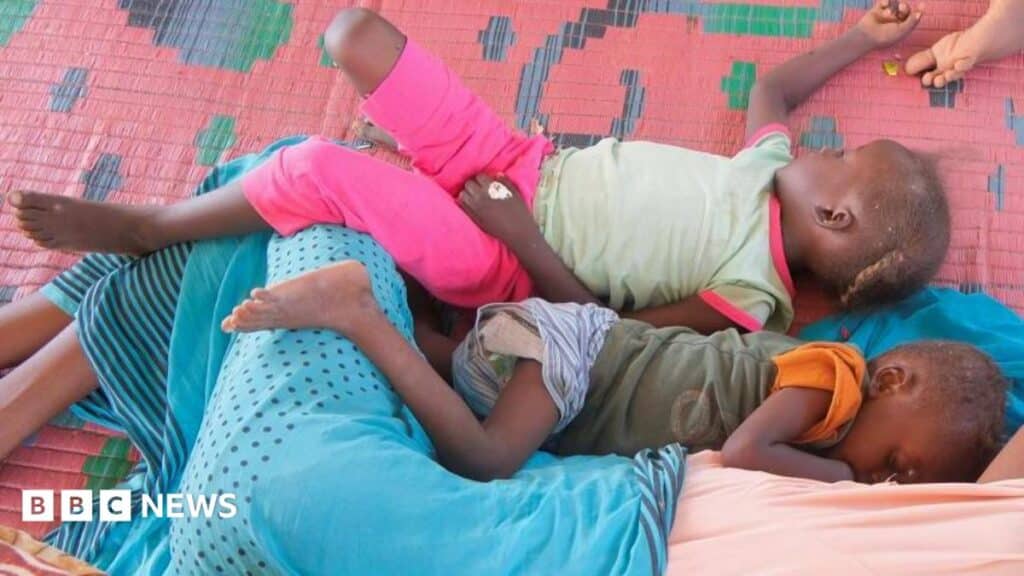
According to BBC News, children born in conflict-hit parts of Sudan are being left without birth certificates, national numbers and access to services, particularly when their fathers are absent or unknown. The problem has been compounded by war, displacement and the collapse of civil registry offices in Darfur.
Amira, a 17-year-old whose name was changed to protect her identity, told the BBC that her son has no father, birth certificate or national number. Her family fled el-Fasher early in 2025 after the city endured an 18-month siege before falling to the Rapid Support Forces and allied Arab militias last October. Amira said she was abducted by three armed RSF men, held captive for two months and raped. She later gave birth in a hospital run by the International Medical Corps.
Eight months after the birth, Amira said she had been unable to register her son because she could not provide information about his father. She said the lack of registration meant she could not get him vaccinated or enrol him in nursery or school. The Nada Al-Azhar Foundation for Disaster Prevention and Sustainable Development, which supported Amira and helped reunite her with her family, says such cases are repeated in conflict-affected areas.
Nada protection programmes director Abu Bakr Yousif Yaqoub said registration requires identity information, a national number and a birth certificate, making the process extremely difficult when a father is absent or unknown. Nada director general Shaza Ahmed said stigma means many assaults are not reported, while 90% of cases recorded by the organisation involve families refusing official reporting. Sudanese lawyer Majida Idris said the Child Act of 2010 permits registration of children born outside marriage, but reporting an assault begins the process. She called for civil registry offices to be reactivated in accessible areas.