












Arabic version: محارب قديم يواجه الترحيل بعد إدانته بتهمة المخدرات وخدمته العسكرية
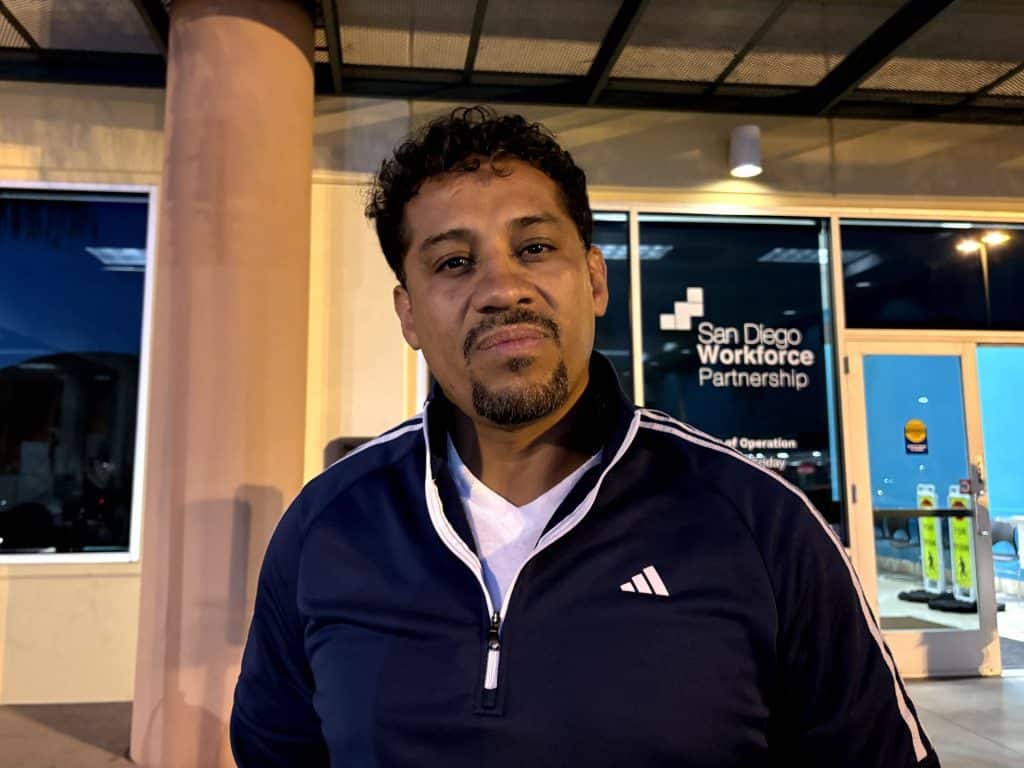
Benito Miranda Hernandez, a U.S. Navy veteran who completed three tours of duty during the Iraq War, is now facing deportation after being detained by Immigration and Customs Enforcement (ICE) shortly after finishing a sentence for a drug conviction. Advocates gathered outside a federal courthouse in San Diego, California, to rally for his release, highlighting the plight of immigrant veterans caught in a complex immigration system. According to Al Jazeera, Hernandez had hoped that his military service would pave the way for his citizenship.
Advocates argue that veterans like Hernandez are particularly vulnerable under the current administration’s focus on deporting immigrants with criminal records. James Smith, founder of Black Deported Veterans of America, emphasized that these individuals were promised citizenship for their service. Hernandez, who struggled with reintegration into civilian life, had completed his sentence on June 14 and was looking forward to reuniting with his family when he was detained by ICE.
Hernandez’s case is part of a troubling trend, with reports indicating a rise in deportations of U.S. veterans. ICE has not consistently tracked the veteran status of detainees, making it difficult to ascertain the full scope of the issue. Advocates estimate that at least 34 veterans have faced deportation proceedings in the last year. Many immigrant veterans fear seeking help, worrying it could jeopardize their immigration status.
The U.S. military has historically recruited immigrants to address staffing shortages, often promising expedited citizenship in return for service. However, many immigrant soldiers experience delays in the naturalization process, leaving them vulnerable to deportation after their service. Several bills aimed at protecting immigrant veterans are currently under consideration in Congress, but the situation remains precarious for many.
Hernandez’s mother, Maria Miranda, has been visiting him in the detention center, trying to maintain his spirits during this challenging time. She expressed her concerns about her son’s mental health and the emotional toll of their separation. “They clipped the wings of a bird, and all the hopes he had. They threw them in the trash,” she lamented, reflecting the despair experienced by families of detained veterans.