












Arabic version: اقتحامات الضفة وانهيارات غزة ترسم تصعيداً أسبوعياً
According to Al Jazeera, the week saw Israeli ministers and settlers assert themselves at Al-Aqsa Mosque, continuing attacks and closures across occupied territories, and worsening humanitarian conditions in Gaza. The report said these developments came as Israeli politicians advanced expansionist ambitions during Judaism’s holiest days and ahead of an October 27 Israeli vote.
In occupied East Jerusalem, Prime Minister Benjamin Netanyahu toured excavation tunnels beneath the Al-Aqsa Mosque compound and the Old City before joining settlers at the Western Wall. National Security Minister Itamar Ben-Gvir entered the mosque compound under police protection, while Wafa reported that roughly 570 settlers entered to perform religious rituals, followed by more than 450 the next morning. Jordan’s Foreign Ministry condemned the incursions. Israeli forces also closed Hebron’s Ibrahimi Mosque to Muslim worshippers during the holiday period while allowing settlers access.
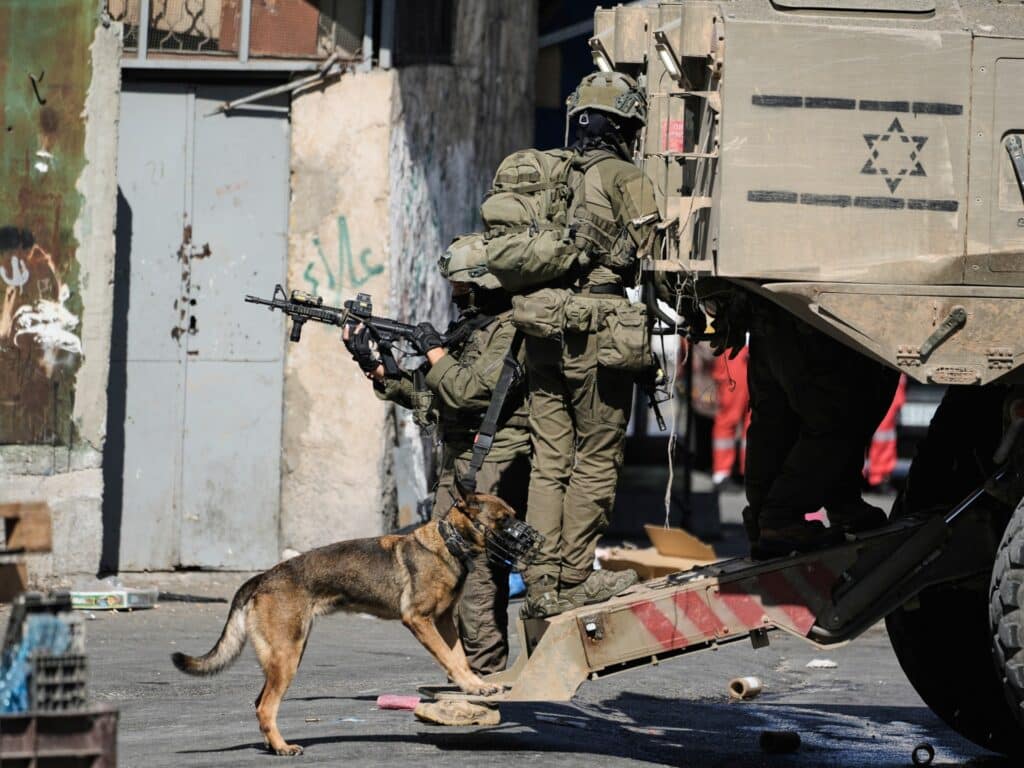
In the occupied West Bank, Israeli forces shot dead a Palestinian man near the illegal Ganim settlement on September 20 after accusing him of attempting a vehicular attack. After an Israeli settler was fatally shot near the illegal Halamish settlement, forces detained Qadri Muhammad Samara and raided his home village of Biddu. Netanyahu ordered the demolition of Samara’s family home and increased forces in the West Bank. Separately, President Isaac Herzog expunged the criminal record of Elor Azaria, convicted of manslaughter for killing wounded Palestinian Abdul Fattah al-Sharif in 2016.
Gaza faced continued deadly strikes, building collapses and mounting shortages. A six-storey building in Gaza City’s al-Sinaa district collapsed on September 16, killing 21 people, including 12 children, after earlier Israeli strikes had weakened it. Civil Defence spokesperson Mahmoud Basal said nearly 100 people remained under rubble. Gaza’s Ministry of Public Works warned that more than 2,000 damaged buildings were at risk of collapse, while medical sources cited by Wafa said 70 percent of hospital generators were out of service because of fuel and spare-parts shortages.